Modern life is tough, there can certainly be no denying this… and as 2025 has gone on, it’s often felt as though it’s simply getting tougher and tougher, with bad news coming at us from all angles, no matter where we are in the world.
It’s certainly no surprise that so many of us turn to self-medication as a way to cope with the pressures that inevitably seem to come as part and parcel of the 21st century – but is this the best way to cope with everyday pressures and is there another, potentially healthier, way to become more resilient?
What is self-medication?
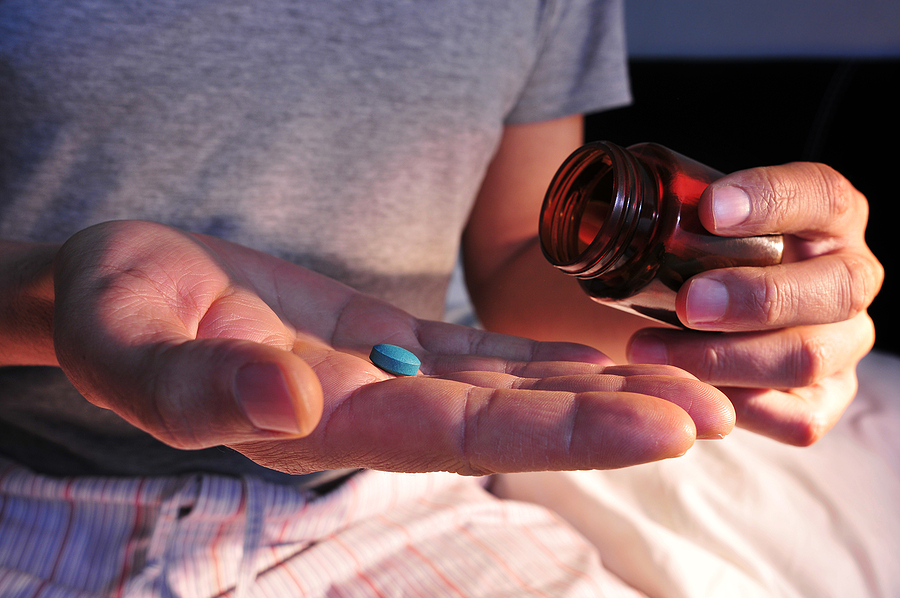
The concept of self-medication is relatively self-explanatory… essentially, it means that you treat your own health conditions using interventions of some kind without advice or supervision from healthcare professionals.
This can be anything from using over-the-counter medication to herbal remedies – but it can also mean the use of illegal and illicit substances to help address symptoms and bring relief, however temporary that relief may be.
Tying into this is the idea of emotional blocking, where you engage in some kind of strategy to keep negative emotions at bay and to avoid having to deal with painful feelings, suppressing them through the use of drugs and alcohol.
While this may well be successful at the beginning, as the effects of your chosen substance start to dissipate, these unwanted thoughts and emotions will only return – and you may find that they’re even harder to deal with than before.
This, in turn, can lead you to turn back to substance misuse and this is where addiction can begin to take hold.
How to deal with emotions without self-medicating
It’s very common for emotional distress to lead you to use substances as a coping mechanism, providing you with an instant mask for your pain.
However, this path leaves those emotions unresolved and you’ll never feel true empowerment until you deal with how you’re feeling and why you’re feeling it.
The good news is that there are many healthy ways to deal with unresolved trauma, getting a handle on your emotions, developing greater personal insights, becoming more self-aware and giving yourself necessary tools to fall back on in the future when times get tough.
Here are three strategies to try:
Connect with people
Talking is one of the best ways to deal with difficult circumstances and regular connection with friends and family will ease stress and anxiety, while boosting your mood.
You may also find it beneficial to talk everything through with an online therapist or someone with experience of the challenges you face – which is something I can certainly help with. Get in touch to book a discovery call.
Exercise regularly
One of the best ways to keep your mood high and to build resilience into your system is to make exercise a regular habit. Find something you enjoy and stick with it, whether that’s running, training in the gym, hiking, swimming or something else.
Prioritise sleep hygiene
It’s significantly harder to take on the world when you’ve had consistently poor sleep for months. Sleep is essential for a healthy mind and body.
Put measures in place to help ensure you get good sleep on a regular basis, including routine bedtimes and waking-up times, not eating before bed, staying off screens for a few hours before sleep and maintaining a comfortable bedroom temperature no higher than 18 degrees C the cooler the better.
My own personal story
I’ve always had an addiction of some sort. Not because I woke up one day and
thought, “I’d like to smoke 20 cigarettes a day for the rest of my life.” No!
But I did wake up most days thinking, I don’t want to be in my head, I don’t want to be this person.
When I was young, I was always doing something, mostly thanks to my Nanna who
taught me most things from the moment I could talk.
I could be found making something in my room, drawing, crafting, sewing or I would be doing something athletic – gymnastics, running, climbing… I was content on my own and spending time with friends if they were willing. I was carefree and unaffected by anything.
Until I realised, I wasn’t like most people and my perfect bubble burst.
The awareness came fully into focus when I first went to school. Not only did I have a teacher who was a shameless bully, who took pleasure in humiliating her students, she also took pleasure in telling their parents every tiny imperfection of their children.
She told my parents that there was no hope for me. At best, if someone took pity on me, I would be able to work in the equivalent of Poundland.
That despicable woman singlehandedly ensured that my parents, my school experience and all my friends saw me like she did… a thick, useless, disappointing inconvenience.
Eventually, that was the lens I saw myself through for years to come.
I felt very alone, I didn’t know how to ask for help and rejection became a daily experience.
Although I think that 50 per cent of it was my perception, regardless, my struggles were my own – and would always be.
I found lots of ways to escape the daily misery of my life in later years, all of which helped me numb it and put on a mask – and all of which were addictive.
So, if you think people with addictions choose to be addicted, perhaps look a bit closer to consider what the real reason could be.
Today, I like who I am, and I solved my addictions singlehandedly too.
From deep wounds come great achievement and strength, after all.